
Maya Torres
7 min read · November 9, 2025
Sleep Is Not One-Size-Fits-All
Sleep science has established the basics: adults need seven to nine hours, consistency matters more than duration, and blue light before bed disrupts melatonin production. What sleep science cannot tell you is why your particular brain resists rest — whether it races at 2 a.m. replaying conversations, dissolves into anxiety dreams, or simply refuses to power down when the body is clearly exhausted. Astrology speaks to that layer. Not as replacement for sleep hygiene, but as a map of the nervous system's default settings.[1]
Three factors matter most. The Moon governs emotional processing, which happens largely during sleep. Neptune governs the dissolution of waking consciousness — the surrender required to fall asleep at all. The 12th house governs the unconscious, dreams, and the liminal territory between waking and sleeping. If you are unfamiliar with how your Moon and other placements interact, the Sun-Moon-Rising guide is a useful starting point.
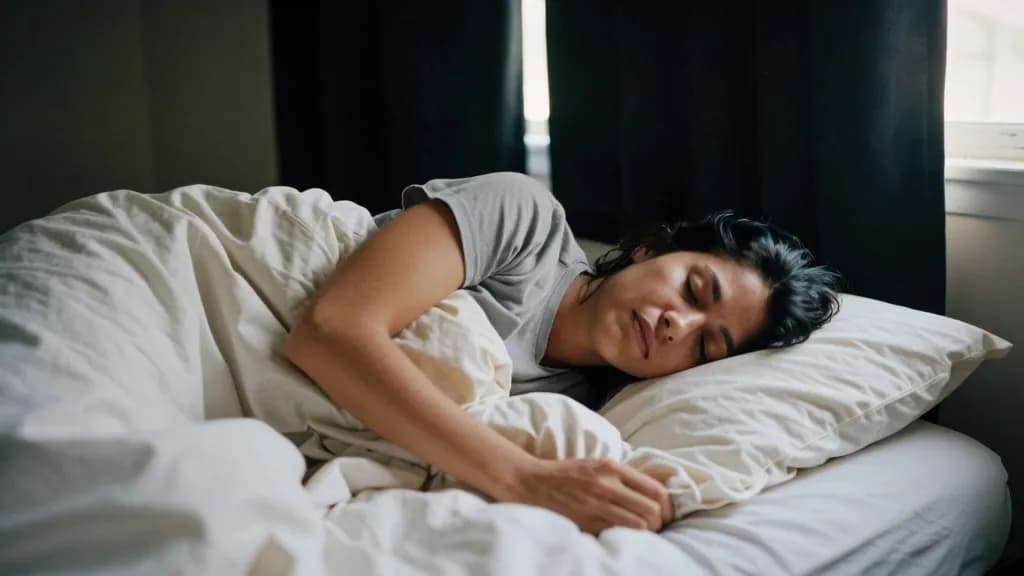
Placements That Need More Rest
Some chart signatures correlate with higher sleep needs — not because of laziness, but because of the energetic demands those placements create during waking hours.
Moon-Neptune Aspects
Moon conjunct, square, or opposite Neptune creates a nervous system that absorbs ambient emotional energy constantly. These people process not only their own feelings but everyone else's — a sponge that needs wringing out nightly. Sleep is where the wringing happens. Moon-Neptune individuals who shortchange sleep often develop chronic fatigue, brain fog, or emotional overwhelm that compounds daily. Eight to nine hours is not luxury for Moon-Neptune. It is maintenance.[2]
12th House Emphasis
Planets in the 12th house — especially the Moon, Neptune, or the Sun — amplify the unconscious mind's activity. The 12th house is the house of what is hidden, and its natives process enormous amounts of material below the threshold of awareness. Dreams are vivid, frequent, and often meaningful. Sleep is not just rest — it is the primary workspace. Skipping sleep for 12th house people is like skipping the workday for a 10th house person: the essential labor does not get done.
Water Moon Signs (Cancer, Scorpio, Pisces)
All water Moons need more sleep than the culture typically permits. Cancer Moon processes relational and domestic stress during sleep, often dreaming about family. Scorpio Moon processes psychological intensity, sometimes through dreams that feel uncomfortably real. Pisces Moon dissolves the boundaries that held all day, requiring extended unconscious time to reset before facing the world again. A water Moon on six hours of sleep is a water Moon operating at diminished emotional capacity.[1]
Moon in the 4th, 8th, or 12th House
These water houses deepen the Moon's emotional processing load. Moon in the 4th processes childhood patterns during sleep. Moon in the 8th processes grief, loss, intimacy, and psychological transformation. Moon in the 12th processes collective and unconscious material. All three positions benefit from earlier bedtimes and unstructured morning time that allows the transition from dream-state to waking-state to happen gradually rather than abruptly.
Sleep Patterns by Element
Your Moon sign's element — more than any other single factor — shapes your default sleep style. For a thorough breakdown of how the four elements work, see the elements guide.
Fire Moons (Aries, Leo, Sagittarius)
Fire Moons run hot. They tend to stay up late on enthusiasm and wake early on adrenaline. The challenge is winding down — the nervous system stays activated long after the body signals fatigue. Fire Moons benefit from physical exertion earlier in the day (not before bed), cool sleeping environments, and evening routines that involve progressive relaxation rather than stimulating content. The fire Moon who "does not need much sleep" is often running on cortisol rather than genuine restoration.
Earth Moons (Taurus, Virgo, Capricorn)
Earth Moons sleep heavily when their environment is right — comfortable bedding, cool temperature, total darkness, predictable schedule. Taurus Moon sleeps best with sensory comfort (weighted blankets, white noise). Virgo Moon sleeps worst when the to-do list is unfinished (writing it down before bed helps more than meditation). Capricorn Moon sacrifices sleep for productivity and pays for it in joint stiffness and morning rigidity. Earth Moons need to treat sleep as the most productive thing they do, because for the body, it is.[3]
Air Moons (Gemini, Libra, Aquarius)
Air Moons have the hardest time falling asleep because the mind does not stop. Racing thoughts, mental replays, hypothetical conversations, planning tomorrow — the air Moon brain treats bedtime as free thinking time. Gemini Moon needs something to occupy the mind during the transition (audiobooks, podcasts at low volume). Libra Moon needs relational resolution — unresolved conflict will keep Libra awake for hours. Aquarius Moon needs intellectual closure — a puzzle solved, an idea captured in notes. Journaling before bed helps all three air Moons more than almost any other intervention.
Water Moons (Cancer, Scorpio, Pisces)
Water Moons sleep deeply but not always restfully. Dreams are intense, sometimes prophetic, occasionally disturbing. Cancer Moon sleeps best when feeling emotionally held — a partner, a pet, a familiar room. Scorpio Moon may resist sleep because surrendering control feels vulnerable. Pisces Moon drifts easily into sleep but may sleep excessively as escape rather than restoration. Water Moons benefit from emotional processing before bed (journaling, therapy, honest conversation) so the unconscious mind can rest rather than doing overtime.[2]

Moon Phase and Sleep Quality
Research has explored whether lunar phases affect sleep, and while findings remain debated, a 2013 study from the University of Basel found that around the full Moon, participants took five minutes longer to fall asleep, slept twenty minutes less, and had 30% less deep sleep — even in controlled laboratory conditions with no moonlight exposure.[4]
New Moon phase: Energy is low and inward. Sleep tends to come easily, dreams are quieter, and the body naturally gravitates toward rest. This is the lunar equivalent of winter — a time for deeper, longer sleep without guilt.
Waxing phase: Energy builds gradually. Sleep may shorten naturally as the body responds to increasing lunar light. This is a good window for establishing new sleep routines, since the waxing Moon supports building habits.
Full Moon phase: Energy peaks. Sleep is lighter, more disrupted, and dream activity intensifies. People with strong natal Moon-Neptune contacts or prominent 12th house placements report the most pronounced full Moon sleep effects. Rather than fighting the disruption, some astrologers recommend scheduling lighter sleep expectations around the full Moon — earlier bedtime, later wake time, acceptance of one or two nights of less efficient rest.
Waning phase: Energy recedes. Sleep deepens again. This is the ideal window for catching up on accumulated sleep debt and for dream journaling, since the waning Moon supports reflection and release.
Placements That Genuinely Need Less Sleep
Some chart signatures correlate with lower sleep needs — not from pushing through exhaustion, but from genuine efficiency in rest and recovery.
Mars-dominant charts (Mars angular, Mars conjunct the Ascendant, Aries rising) tend toward shorter but more intense sleep cycles. These individuals often wake naturally before their alarm and feel genuinely rested on seven hours. The key is distinguishing between Mars-driven efficiency and cortisol-driven insomnia disguised as productivity.
Saturn-Moon aspects (especially the conjunction and trine) produce disciplined sleepers — people who fall asleep quickly, sleep efficiently, and wake on schedule. Saturn compresses the Moon's emotional processing into tighter cycles. The risk is emotional suppression: Saturn-Moon may sleep efficiently because feelings are being managed rather than processed.[3]
Fire-dominant charts with well-aspected Jupiter have natural vitality reserves that require less recovery time. But "well-aspected" matters — Jupiter square Mars or Jupiter opposite Saturn may create overconfidence about sleep needs while the body quietly accumulates deficit.
Building a Sleep Practice from Your Chart
Generic sleep advice works generically. Your chart points toward the specific interventions that match your nervous system.
- If your Moon is in a fire sign: Cool the body before bed. Physical exercise earlier in the day, not in the evening. Cold showers or cool bedroom temperatures. Avoid stimulating media within an hour of sleep.
- If your Moon is in an earth sign: Invest in the physical environment. Quality mattress, blackout curtains, consistent schedule. Write tomorrow's to-do list before bed to discharge planning energy.
- If your Moon is in an air sign: Capture racing thoughts externally. Journal, voice memo, or notepad by the bed. Guided meditations or ambient soundscapes to occupy the mind during the transition to sleep.
- If your Moon is in a water sign: Process emotions before bed, not during. Therapy, honest conversation, or journaling. Limit exposure to emotionally heavy content in the evening. Allow extra sleep time without judgment.
Sleep is not wasted time. For many chart signatures — especially water-dominant and 12th-house-heavy placements — it is the most important work the psyche does. Understanding your chart's relationship with rest lets you stop fighting your natural sleep needs and start working with them. Explore your Vedic chart or generate your Western chart to identify your Moon sign, 12th house, and Neptune aspects — the placements that shape how you rest and recover.
Discover Your Birth Chart
Take our guided quiz to generate your personalized birth chart with detailed analysis, timing insights, and more.
Keep reading
- Astrology and Emotional Regulation: Moon Aspects That Need More RestEmotional regulation is not about controlling feelings. It is about having a nervous system that can process them at the speed they arrive. Certain Moon aspects produce systems that need more rest, more boundaries, or more containment than others.
- Love Astrology: Which Placements Matter Most?When it comes to love, not all chart placements are equal. Venus, Mars, the Moon, the 7th house, and the 5th house carry the most weight. This guide explains which placements to examine first and how to combine them.
- Astrology and Situationships: Why Modern Dating Feels So ConfusingSituationships are the defining relationship pattern of the 2020s. Astrology offers a surprisingly clear framework for understanding why some people settle into them and others find them unbearable.
- Which Zodiac Signs Send Mixed Signals in Love — and WhyMixed signals are not always manipulation. Sometimes they are the natural output of a chart that genuinely wants two contradictory things at once. Here is why certain signs struggle with consistency in love.
References
- [1] Donna Cunningham. The Moon in Your Life: Being a Lunar Type in a Solar World, Samuel Weiser (1996).
- [2] Steven Forrest. The Book of the Moon: Discovering Astrology's Lost Dimension, Seven Paws Press (2010).
- [3] Liz Greene. Saturn: A New Look at an Old Devil, Samuel Weiser (1976).
- [4] Christian Cajochen et al.. Evidence that the Lunar Cycle Influences Human Sleep, Current Biology, 23(15), 1485–1488 (2013).
About Maya Torres
Astrology & Lifestyle Writer
Certified Professional Astrologer (Atlas Astrology Board), Cultural Trend Writer
Maya Torres is a certified astrologer and cultural trend writer who connects astrological insight with modern life — relationships, wellness, identity, and self-expression. She holds professional certification from the Atlas Astrology Board and writes about how celestial patterns intersect with contemporary culture, from dating dynamics to burnout recovery to personal style.
Reviewed by Editorial Board, Astrology-Numerology Research Team